
Free UK shipping on orders over £150
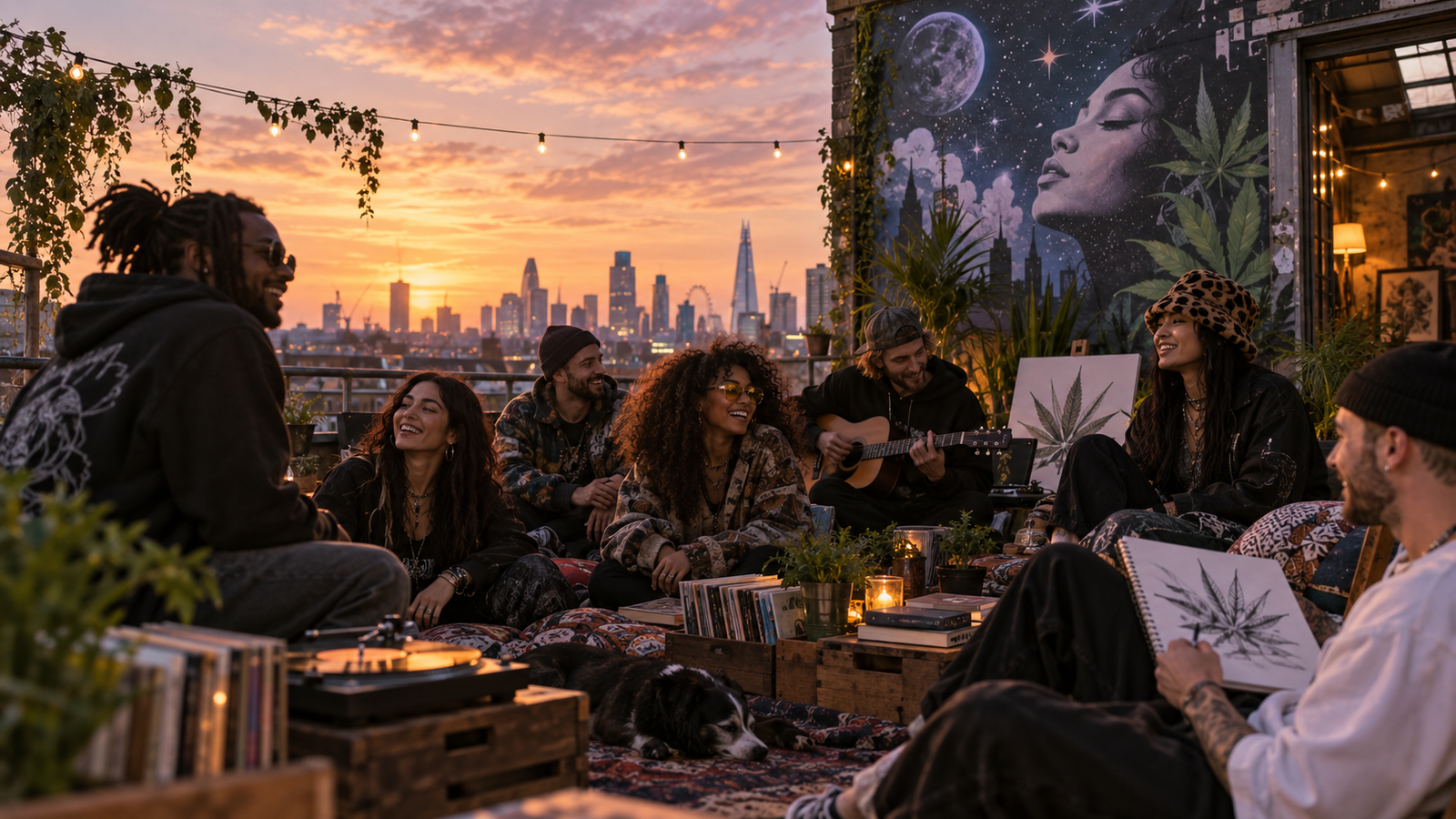
Cannabis has never just been about what comes inside a bag, jar or vape.
For decades, cannabis culture has been shaped by communities.
Growers sharing knowledge.
Friends passing something around.
People hunting genetics.
Artists creating around it.
Musicians referencing it.
Collectors chasing particular cultivars.
Entire friendships, events and subcultures have formed around the plant.
That is what made cannabis different.
But as the industry has grown, something has changed.
There are now more brands, more products, more influencers and more cannabis content than ever before.
Yet somehow, at times, it can feel like there is less community.
Long before social media follower counts determined who appeared important, cannabis knowledge travelled through people.
One grower taught another grower.
Someone found a cultivar they loved and passed it around.
People compared flavours, growing methods and experiences.
A lot of the knowledge people now search for instantly online originally came from communities experimenting, learning and sharing information with each other.
There was competition, obviously.
But there was also collaboration.
And that distinction matters.
Competition pushes quality forward.
Constantly trying to destroy everybody around you doesn’t.
Cannabis becoming more commercial isn’t automatically a bad thing.
Professional branding has helped take something that spent decades underground and present it to a much wider audience.
Look at California.
Some cannabis brands now have identities almost as recognisable as mainstream clothing or drinks companies.
Packaging improved.
Genetics became brands themselves.
Extract quality moved forward.
Hardware improved.
Cultivation became increasingly sophisticated.
Marketing brought completely new groups of people into the culture.
That’s growth.
The problem starts when marketing becomes more important than the product or community behind it.
Social media has created a strange version of cannabis credibility.
A brand has 200,000 followers, so people assume it’s better.
An influencer posts a product, so suddenly everybody needs it.
A company appears at every event, so it must be successful.
But followers don’t tell you:
how something was grown
what’s actually inside a product
whether customers come back
whether the brand treats people properly
whether the hype is organic
or even whether those followers are real.
Cannabis culture shouldn’t become a popularity contest.
Some of the best growers, breeders and extract producers you’ll ever meet barely use social media.
You can’t talk about modern cannabis culture without talking about California.
Cali helped transform cannabis into a lifestyle industry.
The genetics.
Mylar bags.
Strain artwork.
Dispensary culture.
Exotic flower.
Celebrity collaborations.
Hash culture.
Vape technology.
A huge amount of what eventually reaches Europe starts with trends coming out of American markets.
That influence has been positive in a lot of ways.
It pushed presentation and quality forward.
But it also created the obsession with hype.
Suddenly every bag needed crazy artwork.
Every cultivar needed a wild name.
Every drop needed to be “exclusive”.
And eventually people started paying more attention to the packaging than what was inside it.
That’s where culture can turn into costume.
The UK doesn’t need to pretend to be California.
We have our own cannabis history.
Our own growers.
Our own music.
Our own slang.
Our own communities.
From reggae and sound-system culture through garage, grime, drill and modern UK rap, cannabis has been woven into British music and youth culture for generations.
British growers have also quietly produced exceptional flower for years without needing California branding around it.
The next stage of UK cannabis culture should be about taking inspiration globally while still building something that actually belongs to us.
One thing we think people misunderstand is the word community.
Community doesn’t mean every brand needs to pretend to love every other brand.
It doesn’t mean there can’t be competition.
It doesn’t mean criticism shouldn’t exist.
If something is unsafe, dishonest or genuinely misleading, people should be able to talk about it.
But there’s a difference between criticism and trying to destroy somebody because they’re getting attention.
A strong cannabis community should be capable of saying:
“I don’t like their product.”
without needing to say:
“Their whole business needs to disappear.”
There is enough room for different growers, extractors, brands, creators and styles.
One of the best things happening in cannabis right now is that consumers are becoming much more knowledgeable.
People now talk about:
terpenes
living soil
solventless extraction
live resin
hash rosin
genetics
phenotypes
cannabinoid profiles
vape hardware
and laboratory testing
in ways that would have been niche conversations years ago.
That education protects consumers.
It also forces brands to improve.
Once customers understand what they’re buying, marketing alone becomes less powerful.
The product has to stand up for itself.
For cannabis culture to continue growing, it also needs to mature.
For decades, cannabis users were stereotyped as lazy, irresponsible or unintelligent.
Reality is obviously much broader than that.
Cannabis consumers include business owners, creatives, musicians, parents, athletes and people from practically every walk of life.
Normalisation doesn’t mean pretending cannabis has no risks.
Alcohol has risks.
Prescription medications have risks.
Cannabis has risks too.
A mature culture can acknowledge those risks while still arguing that adults shouldn’t automatically be judged because cannabis forms part of their lifestyle.
Education and responsible conversation will do more for normalisation than pretending nothing can ever go wrong.
DOOB-E was never intended to exist as just another logo on a product.
We want to contribute to the culture around it.
That means talking about extracts.
Talking about quality.
Talking about what consumers are actually buying.
But it also means talking about music, creativity, growers, genetics, art and the people who make cannabis culture what it is.
We’re going to compete.
We’re going to have our own opinions.
And we’re obviously going to believe in what we produce.
But that doesn’t mean another brand has to lose for us to win.
The culture grows when more people make good products.
The community grows when more people share knowledge.
And consumers win when brands are forced to compete on quality rather than bullshit.
Maybe cannabis culture doesn’t need more people telling everybody they’re the best.
Maybe it needs more conversations.
More collaborations.
More education.
More transparency.
More support for growers and creators.
And less obsession with who has the biggest Instagram following.
Because cannabis was a community long before it became an industry.
And if we’re not careful, the industry could forget the thing that made the culture special in the first place.
The plant brought people together.
Maybe it’s time we started acting like it again.
Cannabis has never just been about what
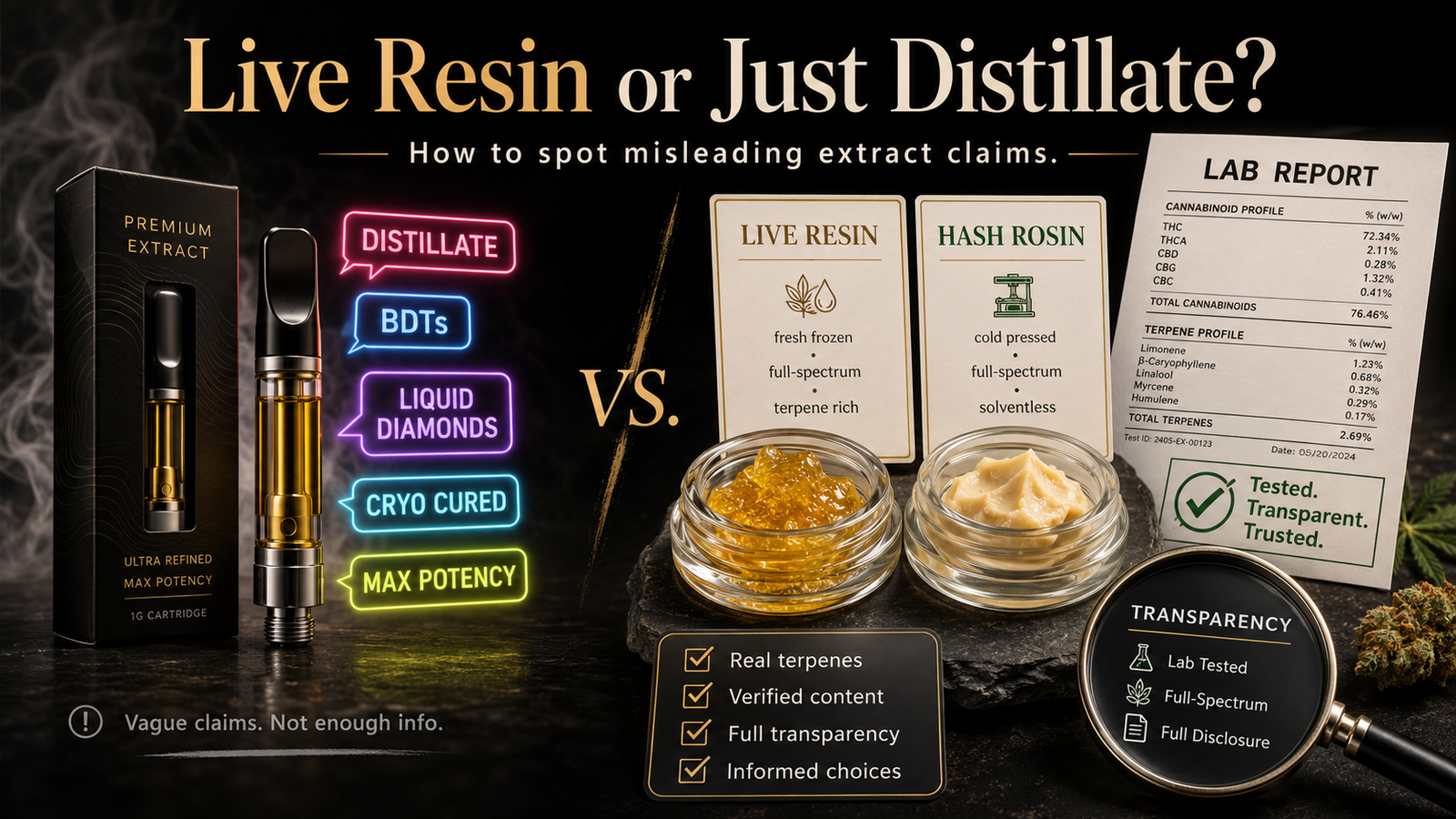
Live resin vs distillate has become one
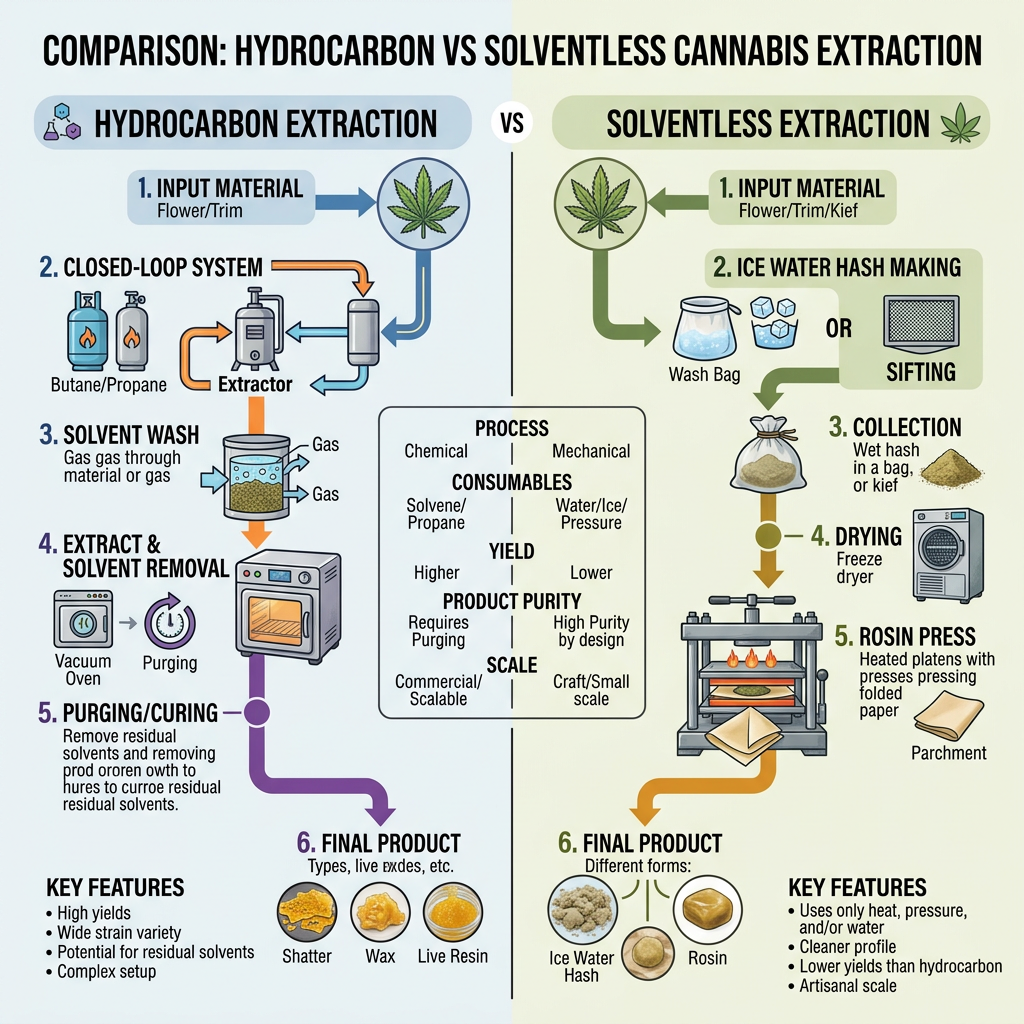
What Is Live Resin? Live resin is
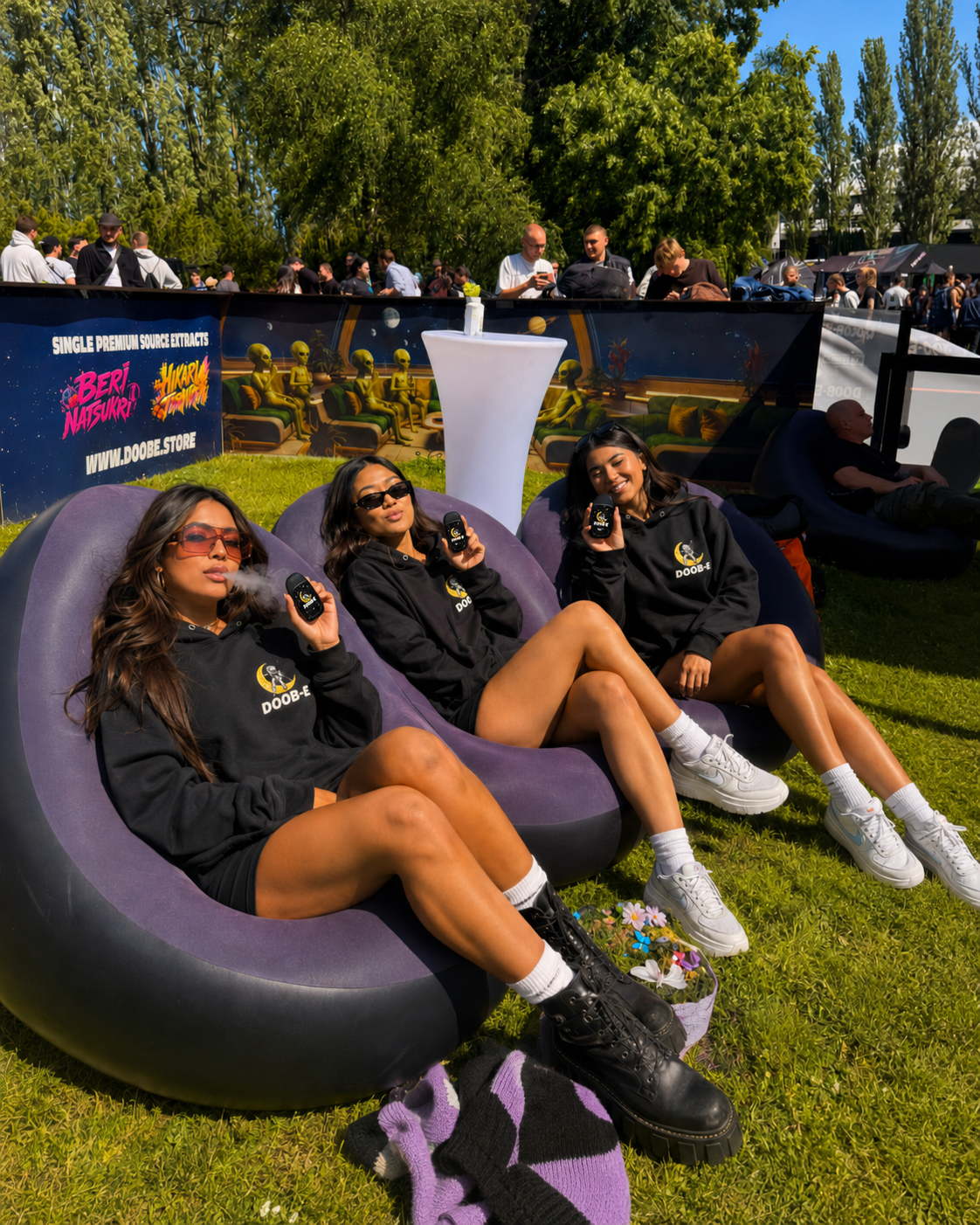
Unlocking the DOOB-E Experience DOOB-E gives customers